


Kérjen árajánlatot
Egyedi Élelmiszer-csomagoló műanyag fólia Gyártók
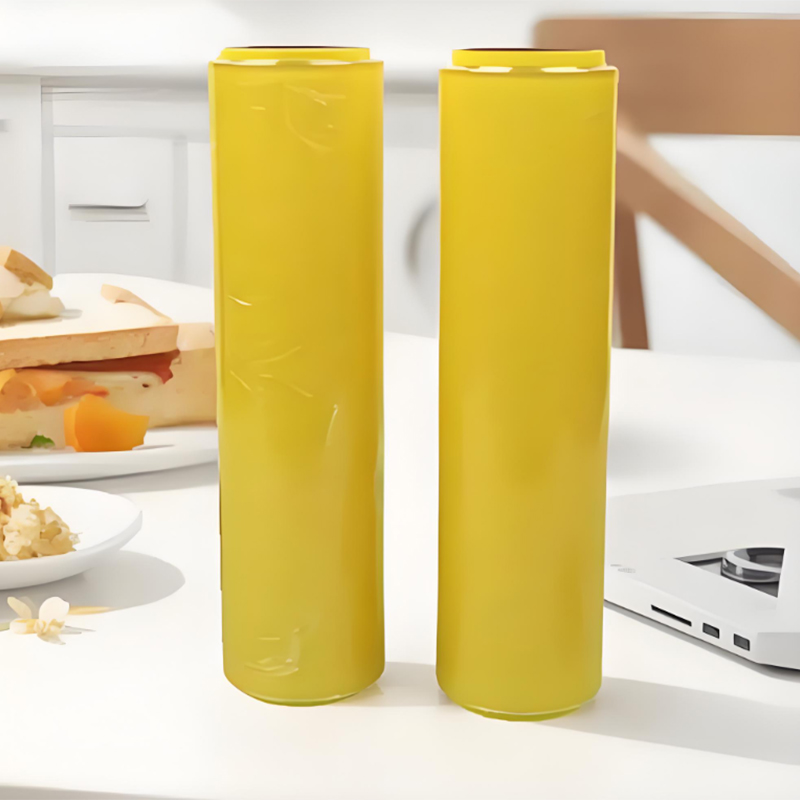
A PVC-fólia egy általános élelmiszer-csomagolóanyag, főleg polivinil-kloridból (PVC) készül. Gyártási folyamatából adódóan a gyártási folyamat során nagy mennyiségű lágyítót (lágyítót) adnak a PVC fóliához. Ha használat közben felmelegszik vagy zsíros élelmiszerekkel érintkezik, a lágyítók kicsapódhatnak és bejuthatnak az élelmiszerbe, ami potenciális kockázatot jelenthet az emberi egészségre. Ezért a PVC fólia nem alkalmas magas hőmérsékletű melegítésre vagy zsíros élelmiszerekkel való érintkezésre.
Műanyag fólia
Rólunk
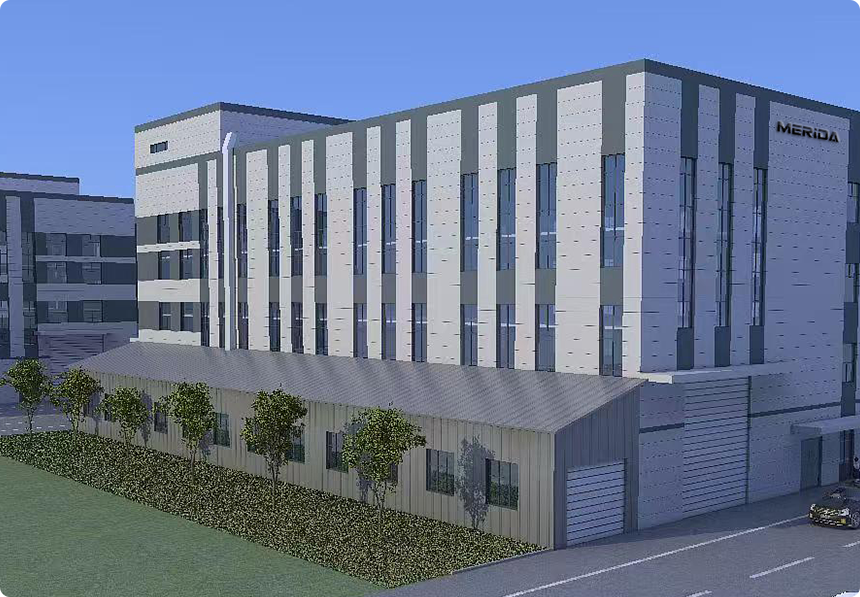
Zhangjiagang Yingda Plastic Products Factory
Kapcsolódó cég: Zhangjiagang Jingyi New Materials Co., Ltd
Kapcsolódó cég: Zhangjiagang Meilida Medical Products Co., Ltd
Kapcsolódó cég: Zhangjiagang Meilida Medical Products Co., Ltd
Zhangjiagang Yingda Plastic Products Factory Kínai egyedi
PVC fólia Gyártók és
Élelmiszer-csomagoló műanyag fólia Exportőr, 2007. január 8-án alapították, Zhangjiagang szabadkereskedelmi övezetében található, Zhangjiagang város középső és nyugati részén, amely egy modern civilizált város Kínában. Keleten Sanghaj, nyugaton Nanking, délen Szucsou és Wuxi Changzhou térsége, nyugaton egy természetes mélyvízi kikötő és vámszabad terület, északon a gyönyörű Jangce folyó határolja, a folyó menti autópálya pedig sűrűn behálózza a kényelmes vízi és szárazföldi közlekedést. Kínálunk
Eldobható élelmiszeripari műanyag fólia eladásra.
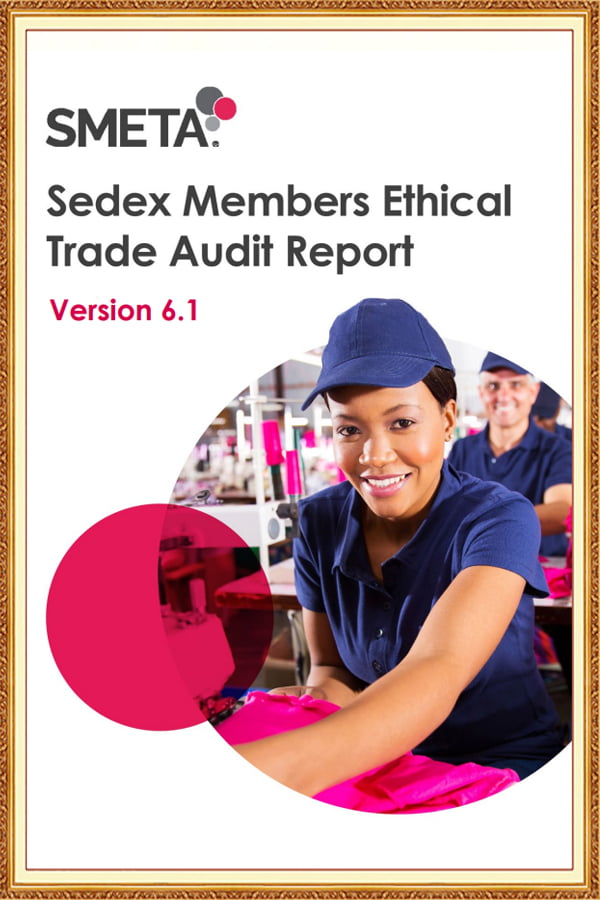
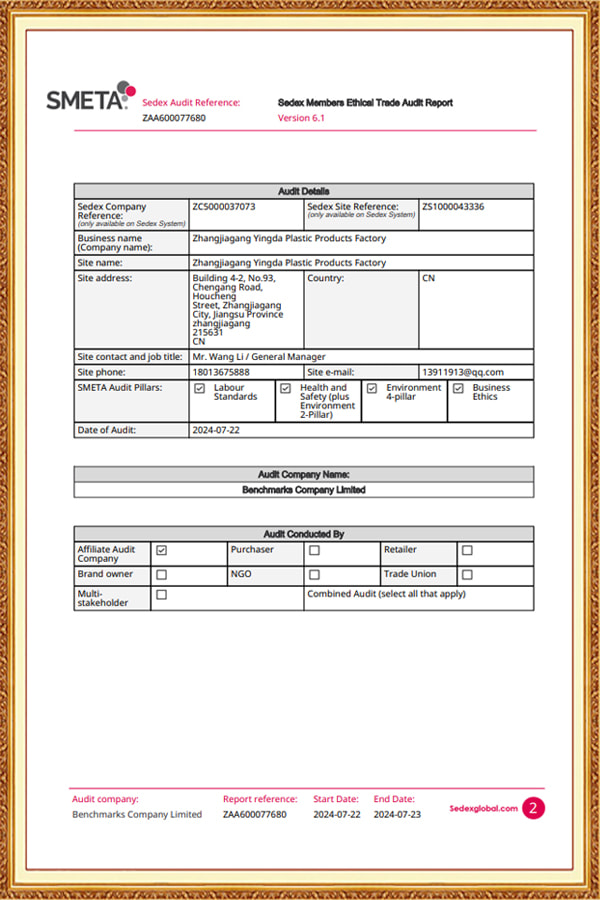
Díszoklevél
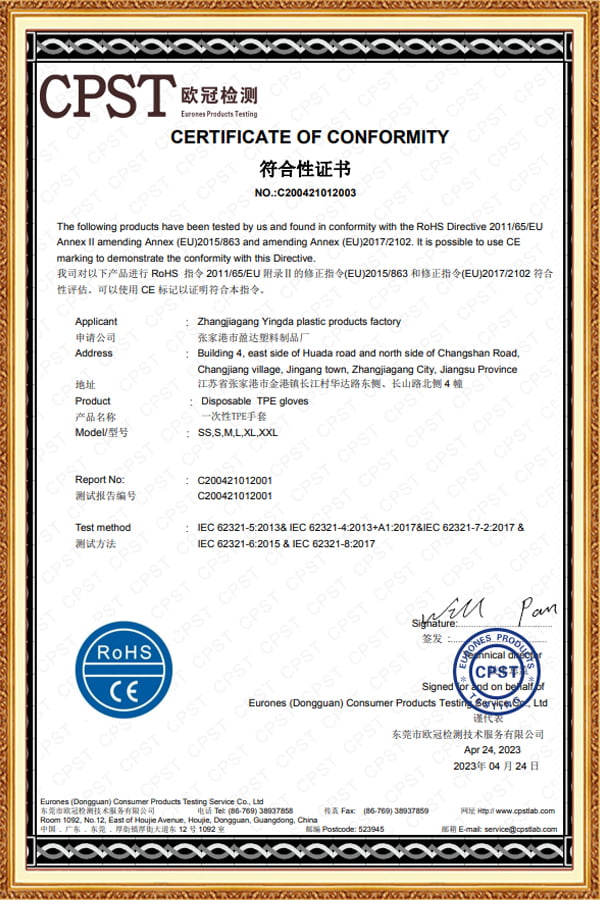
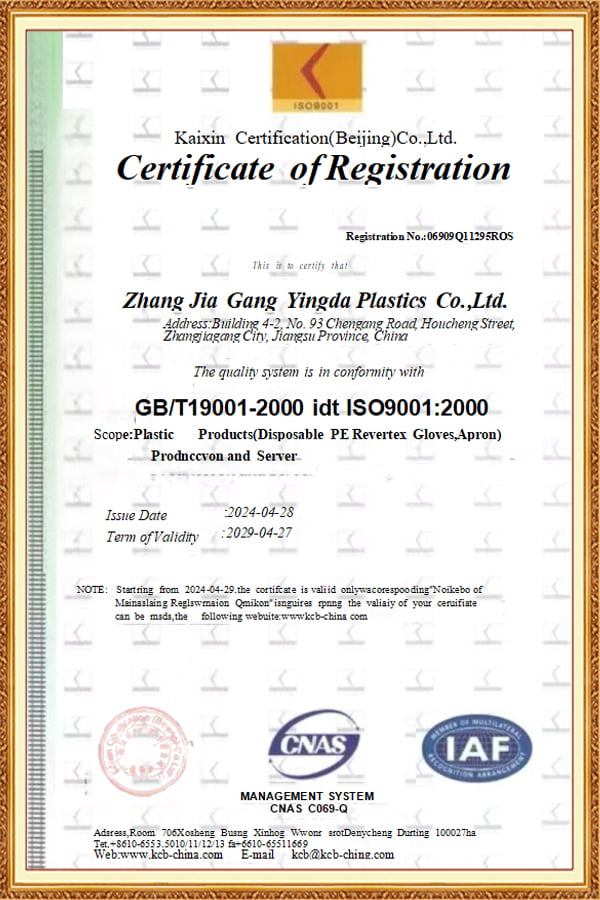
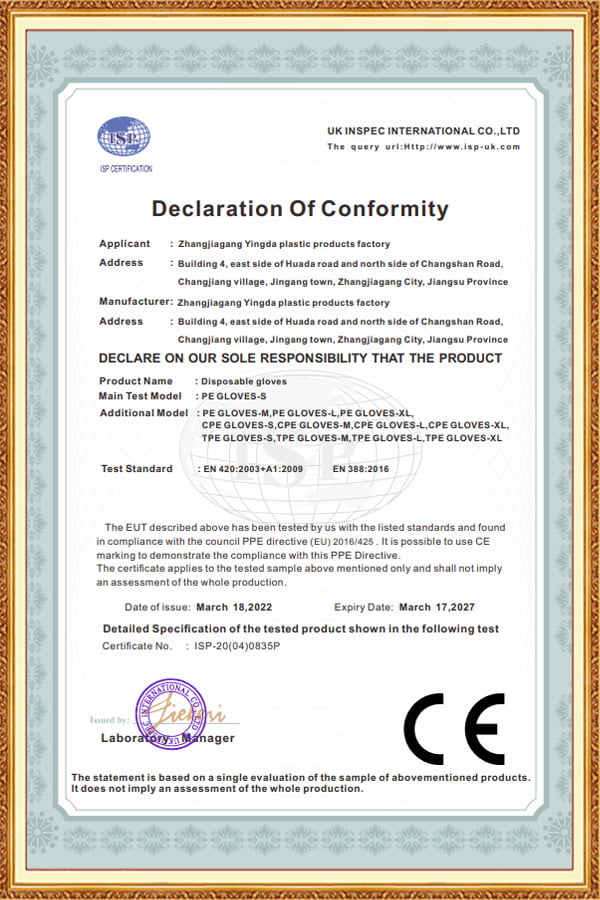
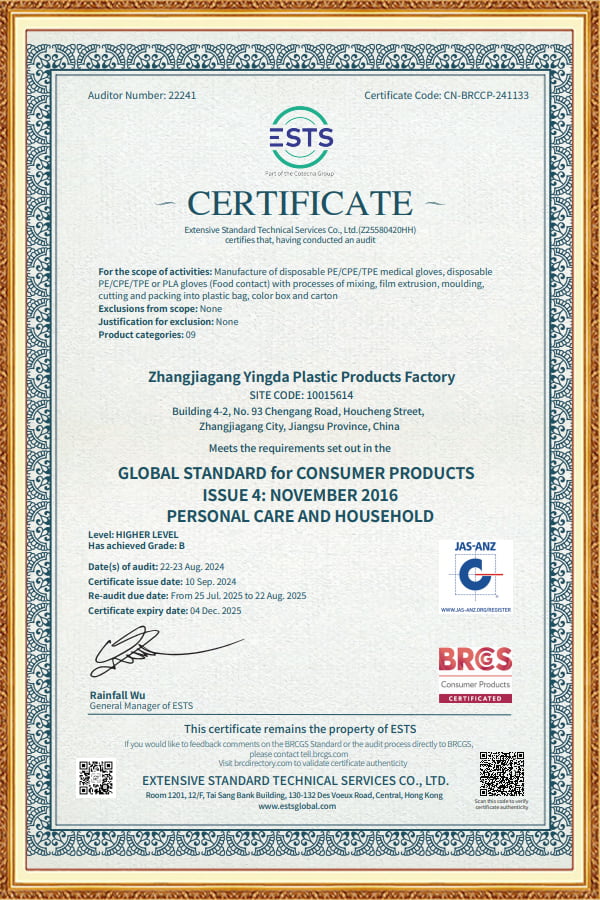
Hírek
-
Az eldobható kesztyűket gyakran a dobozonkénti ár alapján hasonlítják össze, de a kesztyű valós költségét a feladat teljes hosszában mérik. A TPE- és PE-kesztyűk a két legelterjedtebb hőre lágyuló kesztyűcsalád, amelyeket vendéglátásban, takarításban, logisztikában és könnyűipari munkákban has...
TOVÁBB OLVASOM -
A CPE kesztyűk megértése: Az eldobható kézvédelem alapja A mai higiéniatudatos világban soha nem volt ekkora az igény a megbízható kézvédő megoldások iránt. Legyen szó vendéglátásról, szépségápolásról és wellnessről, házmesteri szolgáltatásokról vagy könnyűipari környezetről, a megfelelő...
TOVÁBB OLVASOM -
A kézvédelem fejlődése: a latextől a TPE-ig Évtizedeken keresztül az egészségügytől az élelmiszer-szolgáltatásig terjedő iparágak a latex és nitril kesztyűkre támaszkodtak a kézvédelem szabványaként. Az elmúlt években azonban jelentős elmozdulás történt, mivel a termoplasztikus elasztome...
TOVÁBB OLVASOM
Üzenet visszajelzés
Műanyag fólia Szakmai ismeretek
How to reduce the residual vinyl chloride monomer (VCM) in the production of PVC cling film for food packaging?
In the field of food packaging, PVC cling film is widely used, but the problem of residual vinyl chloride monomer (VCM) in its production process has always attracted much attention. VCM has certain toxicity. If the residual amount exceeds the standard, it may cause harm to human health. Therefore, in the production of PVC cling film, it is very important to effectively reduce the residual VCM.
Controlling the source of the production process is the key to reducing VCM residue. In the polymerization reaction stage, the polymerization process and catalyst should be reasonably selected. For example, when using the suspension polymerization method, it is necessary to strictly control the polymerization temperature, pressure and time and other parameters to ensure that the polymerization reaction is fully carried out so that more vinyl chloride monomer is converted into polyvinyl chloride, thereby reducing the residual amount. At the same time, the selection of efficient catalysts can increase the reaction rate and conversion rate and reduce the monomer residue.
Optimizing the monomer removal process after the polymerization reaction should not be ignored. At present, the commonly used monomer removal methods include steam stripping and vacuum degassing. Taking stripping as an example, by introducing inert gas (such as nitrogen) into the polymer system, VCM is volatilized from the polymer and then recovered by condensation. During the stripping process, the stripping temperature, gas flow rate and residence time should be controlled to improve the efficiency of stripping. Vacuum degassing is to reduce the boiling point of VCM under negative pressure conditions, making it easier to escape from the polymer. It should be noted that different stripping processes are suitable for different production scales and product requirements. The appropriate process should be selected according to the actual situation, and the process parameters should be optimized.
The selection of raw materials also affects the amount of VCM residue. Zhangjiagang Yingda Plastic Products Factory uses new raw materials that meet food grade standards, which is worth learning from. The VCM content in high-quality raw materials is low and has few impurities, which helps to reduce residues from the source. When purchasing raw materials, suppliers should be strictly screened and required to provide quality inspection reports for raw materials to ensure that the raw materials meet relevant standards.
The quality control system in the production process is indispensable. The company strictly follows the procedures and requirements of the quality control management system, and a complete quality control process should also be established in the production of PVC cling film. From the entry of raw materials to the exit of finished products, each link must be strictly tested. For example, after the polymerization reaction, the VCM residue in the polymer is tested. If the residue is found to exceed the standard, the production process is adjusted in time; in the finished product inspection stage, the VCM residue is tested again to ensure that the product meets the national standards.
The cleaning and maintenance of production equipment can also indirectly affect VCM residue. Clean the production equipment regularly to prevent the VCM residue in the equipment from polluting subsequent production. At the same time, maintain the operating status of the equipment to ensure the stability of the production process and avoid fluctuations in the production process due to equipment failure, thereby affecting the VCM residue.
In addition, advanced detection technology can be introduced to monitor the VCM residue in the production process in real time. Through online detection equipment, timely understand the changes in VCM residue, so as to quickly adjust the production process and ensure product quality.
Zhangjiagang Yingda Plastic Products Factory has strong product customization capabilities and has built a multi-unit support system for cost control, quality management and efficiency optimization. Its full-process production line ensures the accuracy of each link from mold development to assembly. In the production of PVC cling film, we can learn from its professional, standardized and refined production management model, implement various measures to reduce VCM residues in each production link, strengthen the coordinated management of each link, and improve production efficiency and product quality.
Értesüljön elsőként!
Az exkluzív ajánlatokért és a legfrissebb ajánlatokért iratkozzon fel az alábbi e-mail-cím megadásával.
A weboldalon nyújtott információk kizárólag a Kínai Népköztársaságon kívüli országokban és joghatóságokban való felhasználásra szolgálnak.

18 éve a műanyagipar szakterületén.
- Termékek
- Műanyag fólia
- TPE kesztyű (matt textúra)
- TPE kesztyű (pontmintás)
- TPE kesztyű (gyémánt mintás)
- LDPE kesztyű
- HDPE kesztyű
- CPE kesztyű
- PE kötény
- Kapcsolat
-
-
Building 4, No. 93 Chengang Road, Houcheng Street, Zhangjiagang City, Jiangsu tartomány, Kína

-
[email protected]

-
+86 18013675888 / +86 13901562953

-
+86 0512-58545086

-
+86 18013675888

-

-
Szerzői jog ©
Zhangjiagang Meilida Medical Products Co., Ltd.
Egyedi
Eldobható élelmiszeripari műanyag fólia Exportőr

